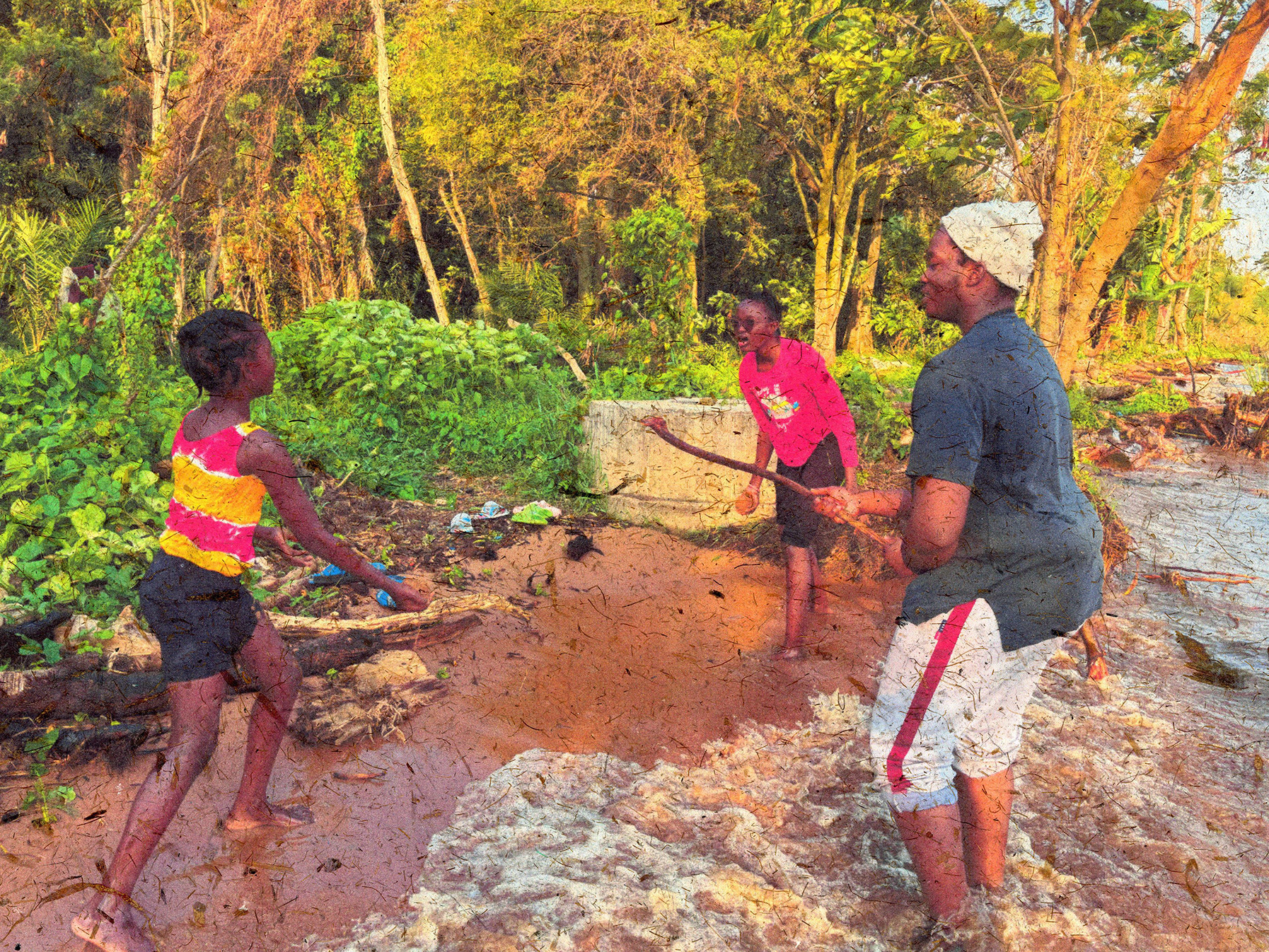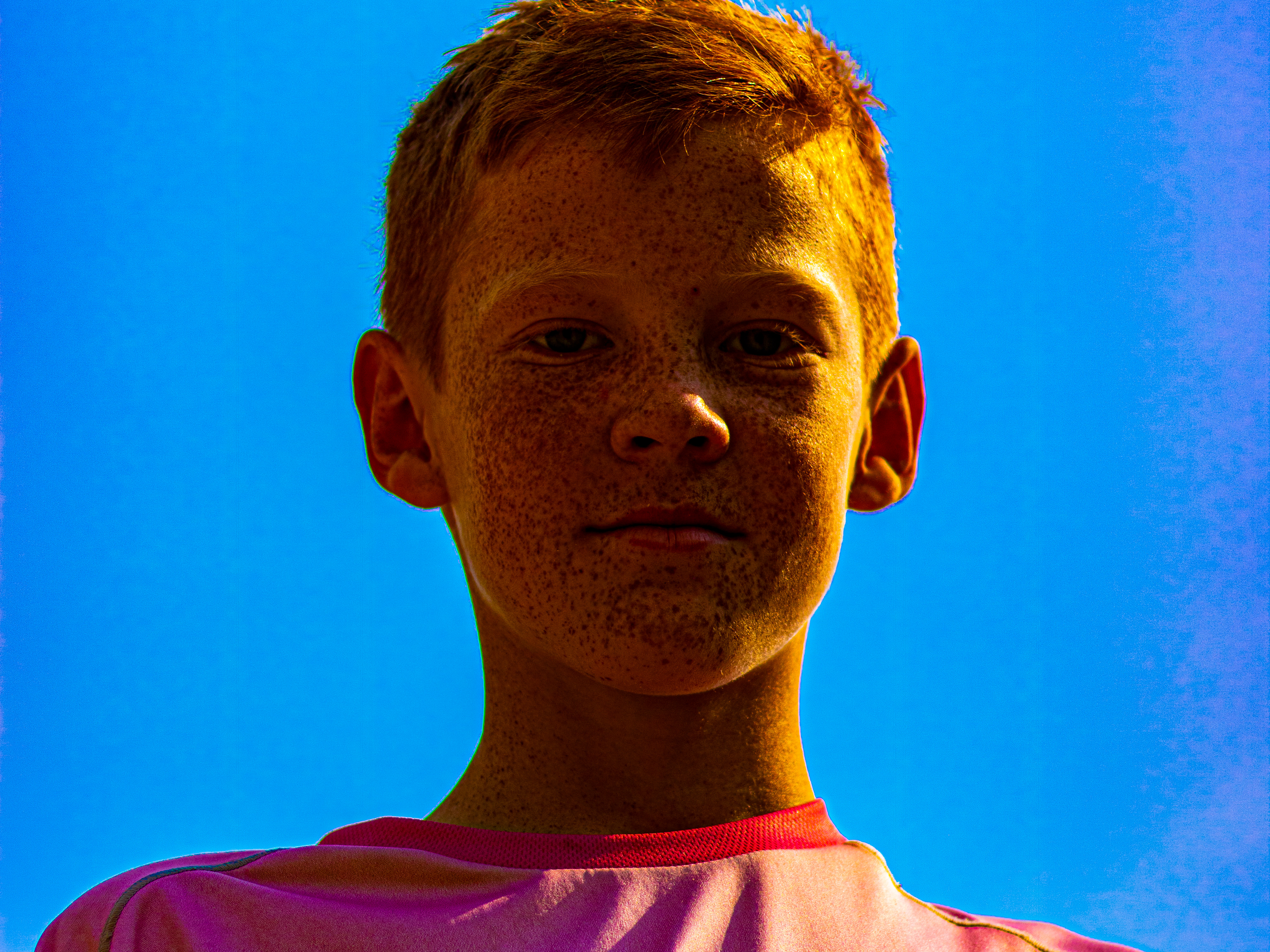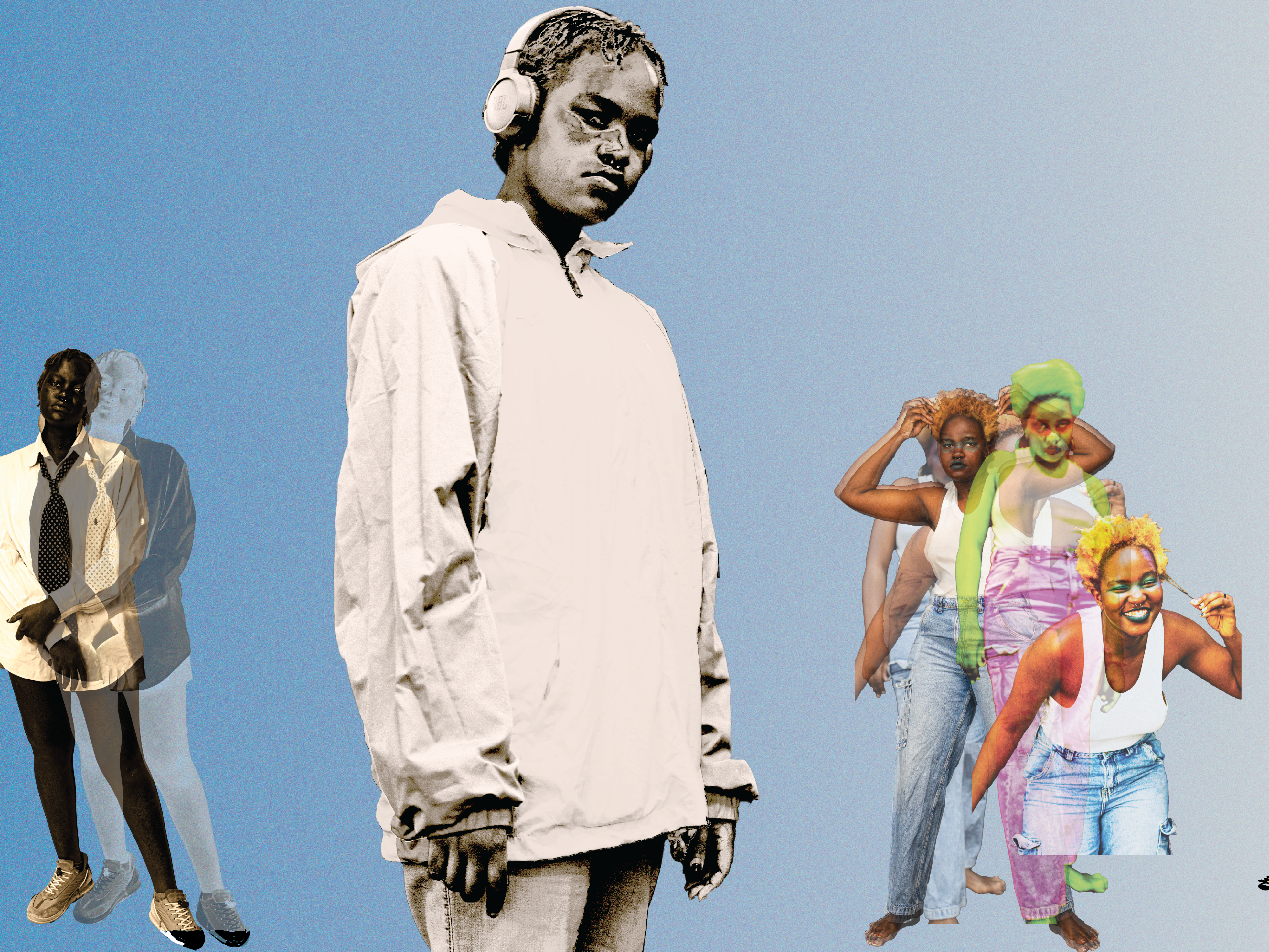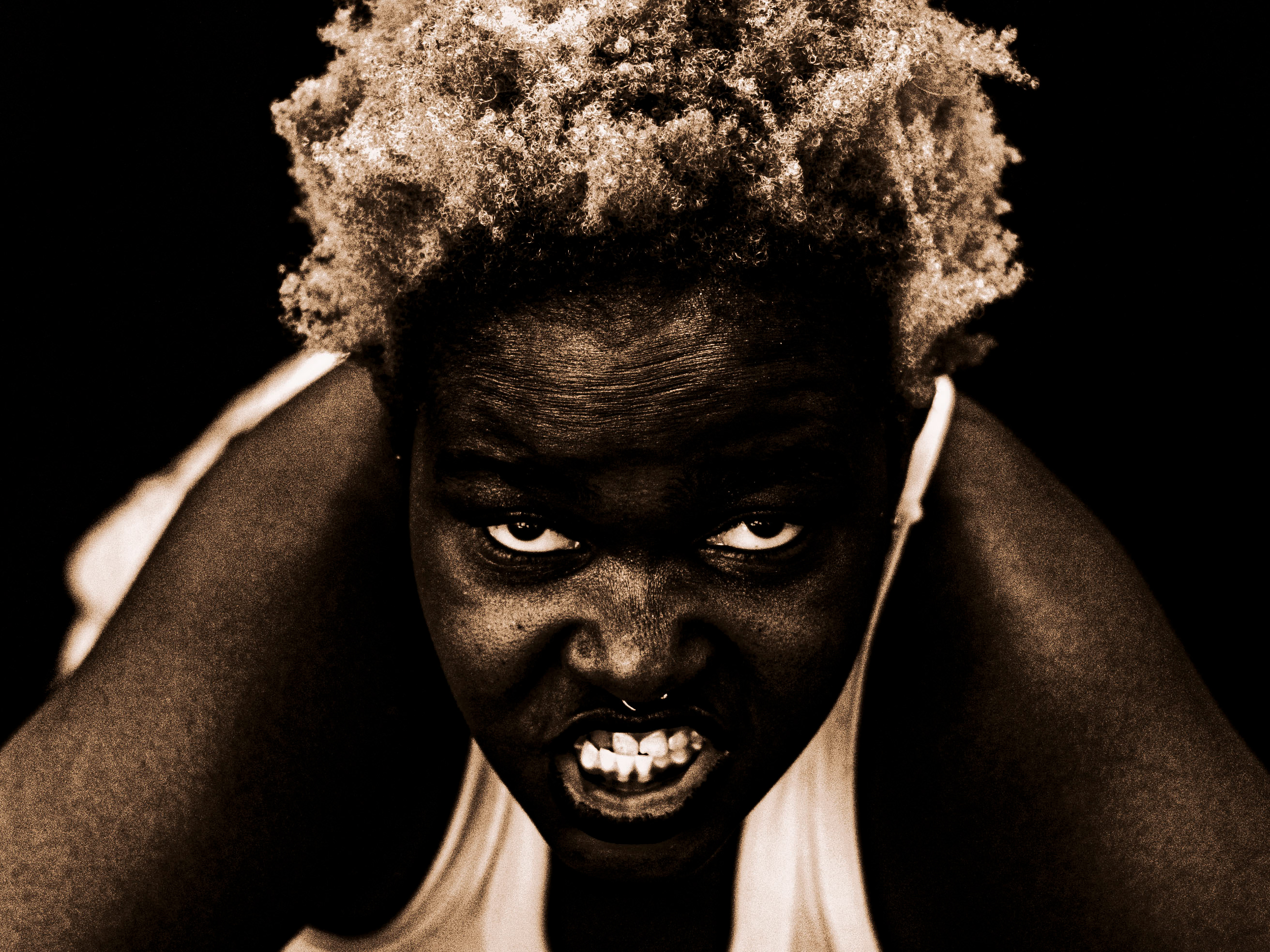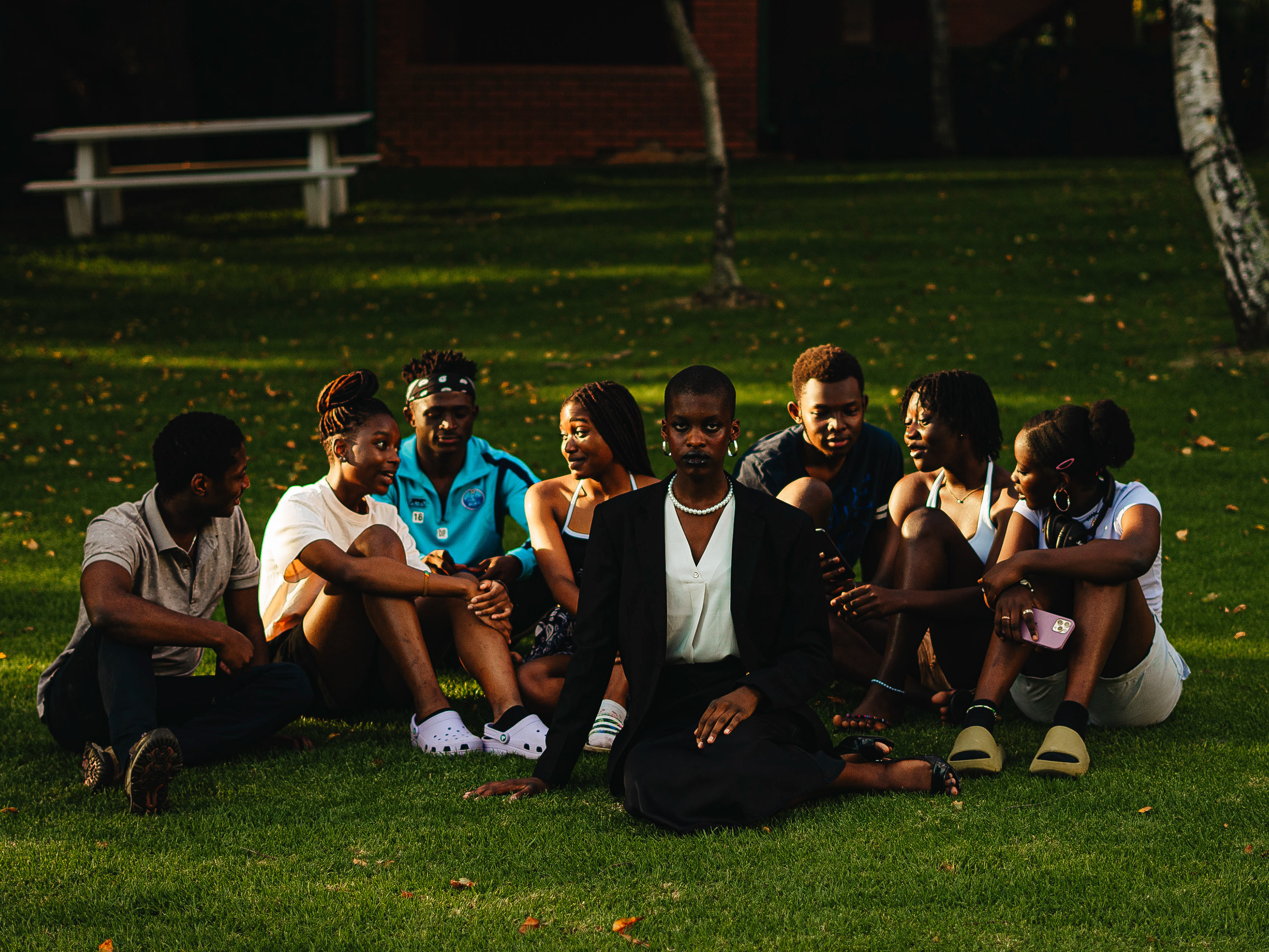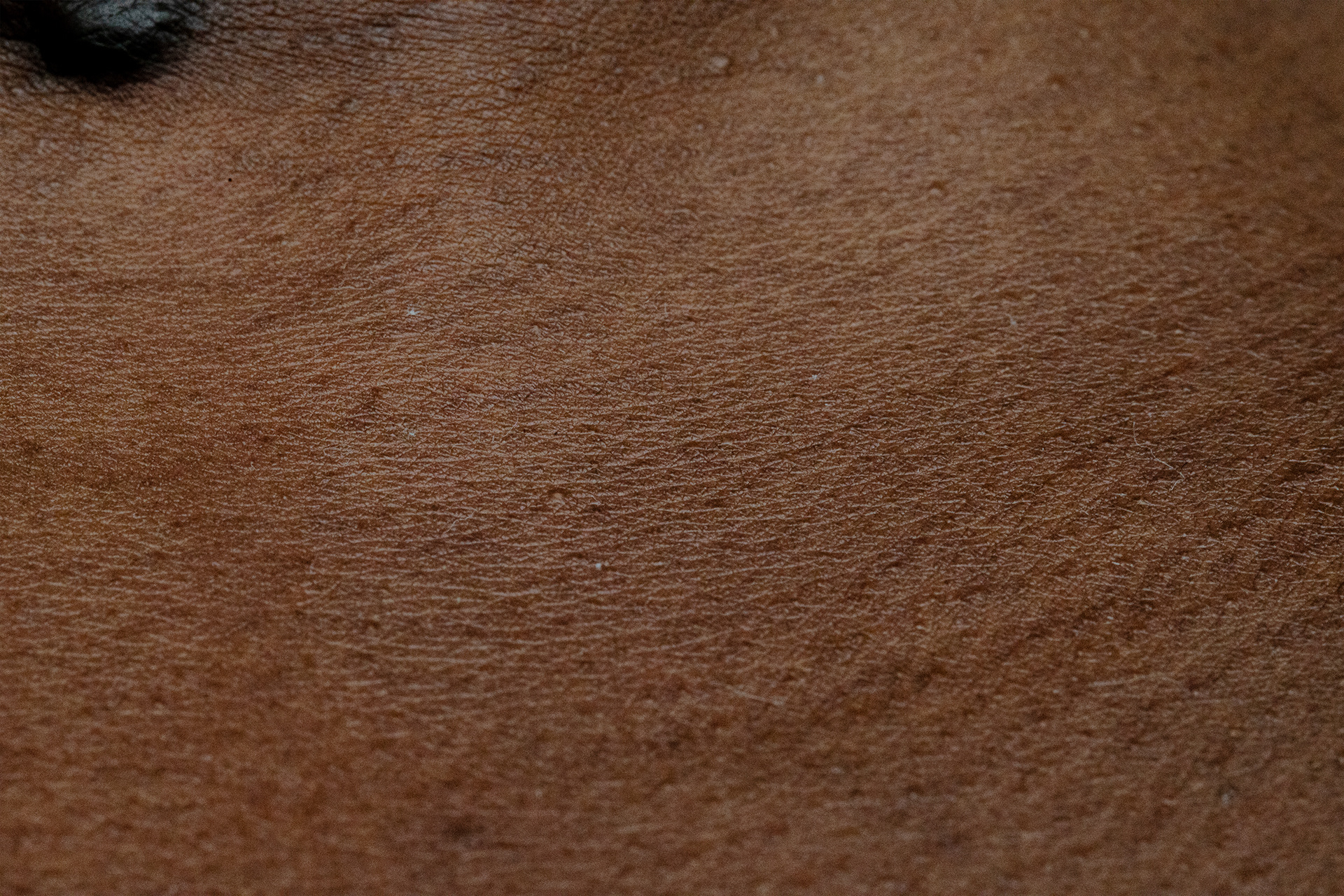
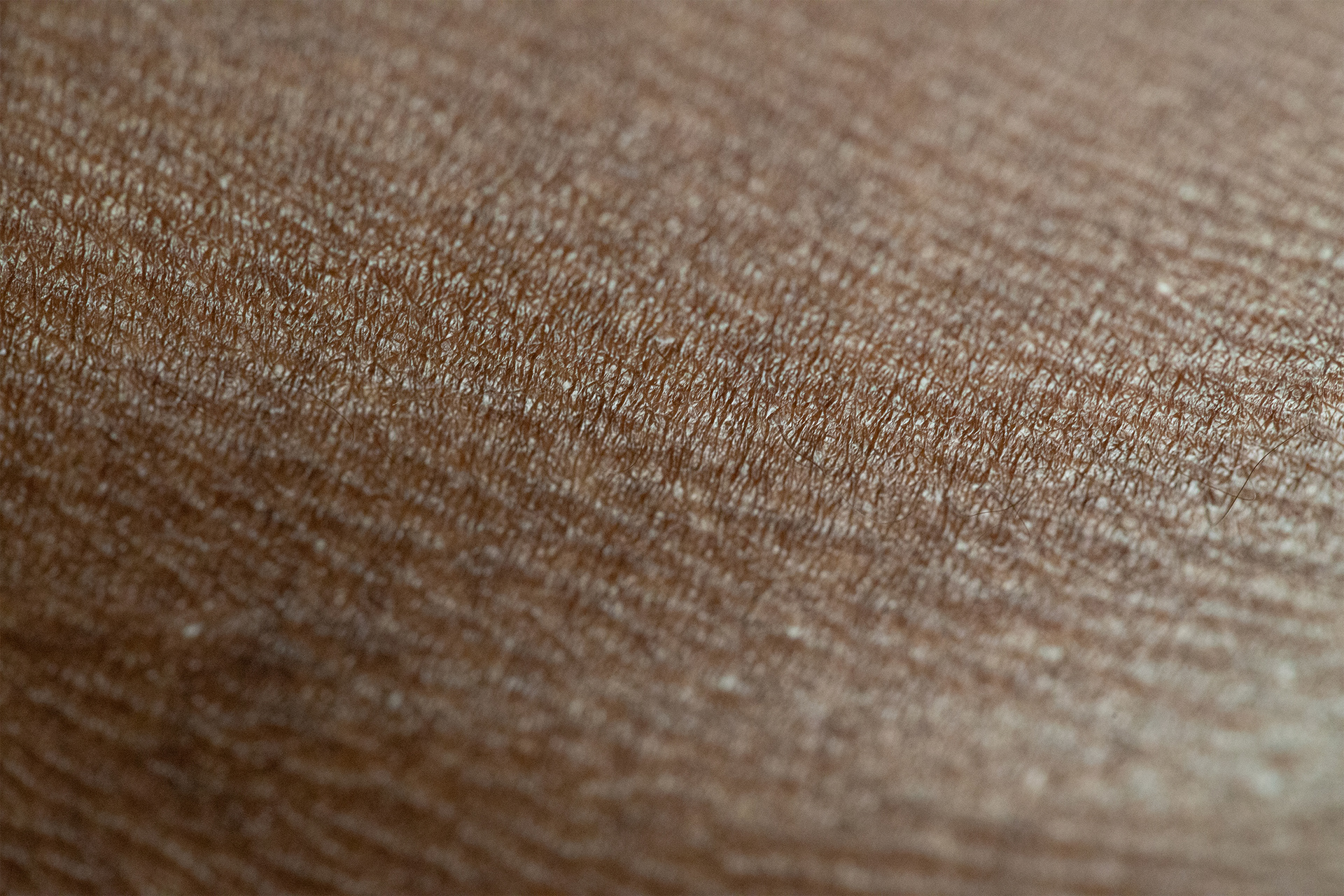
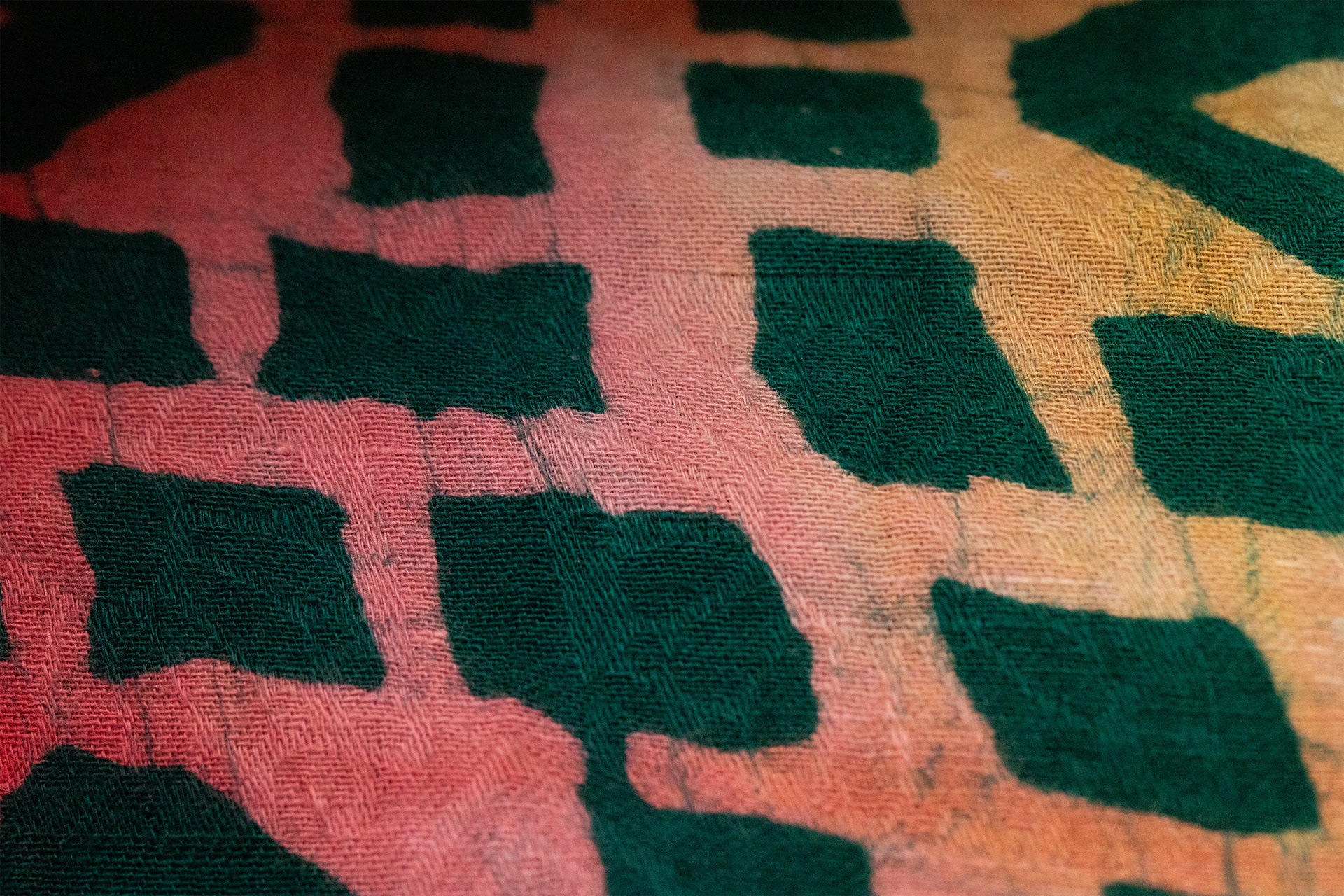
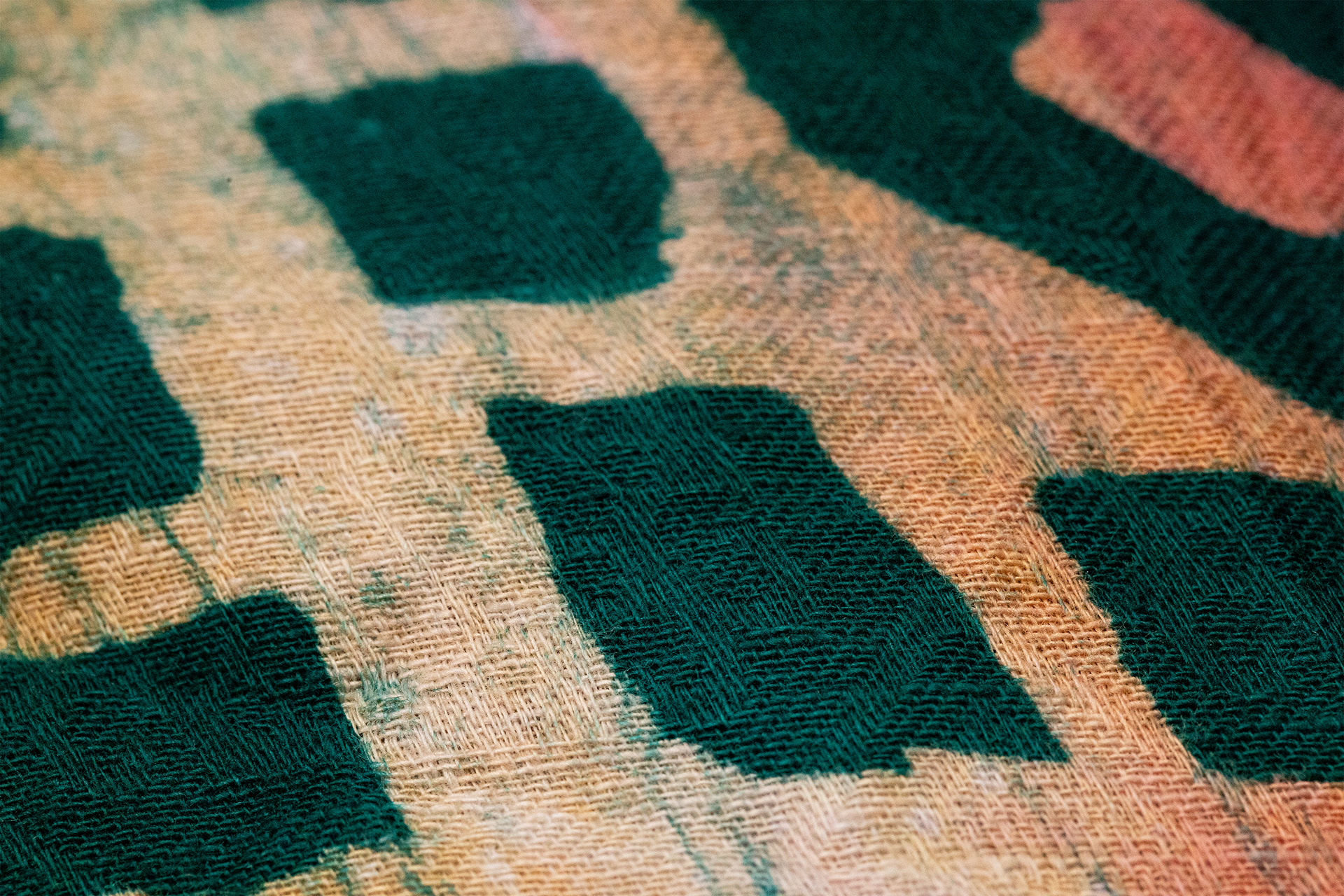
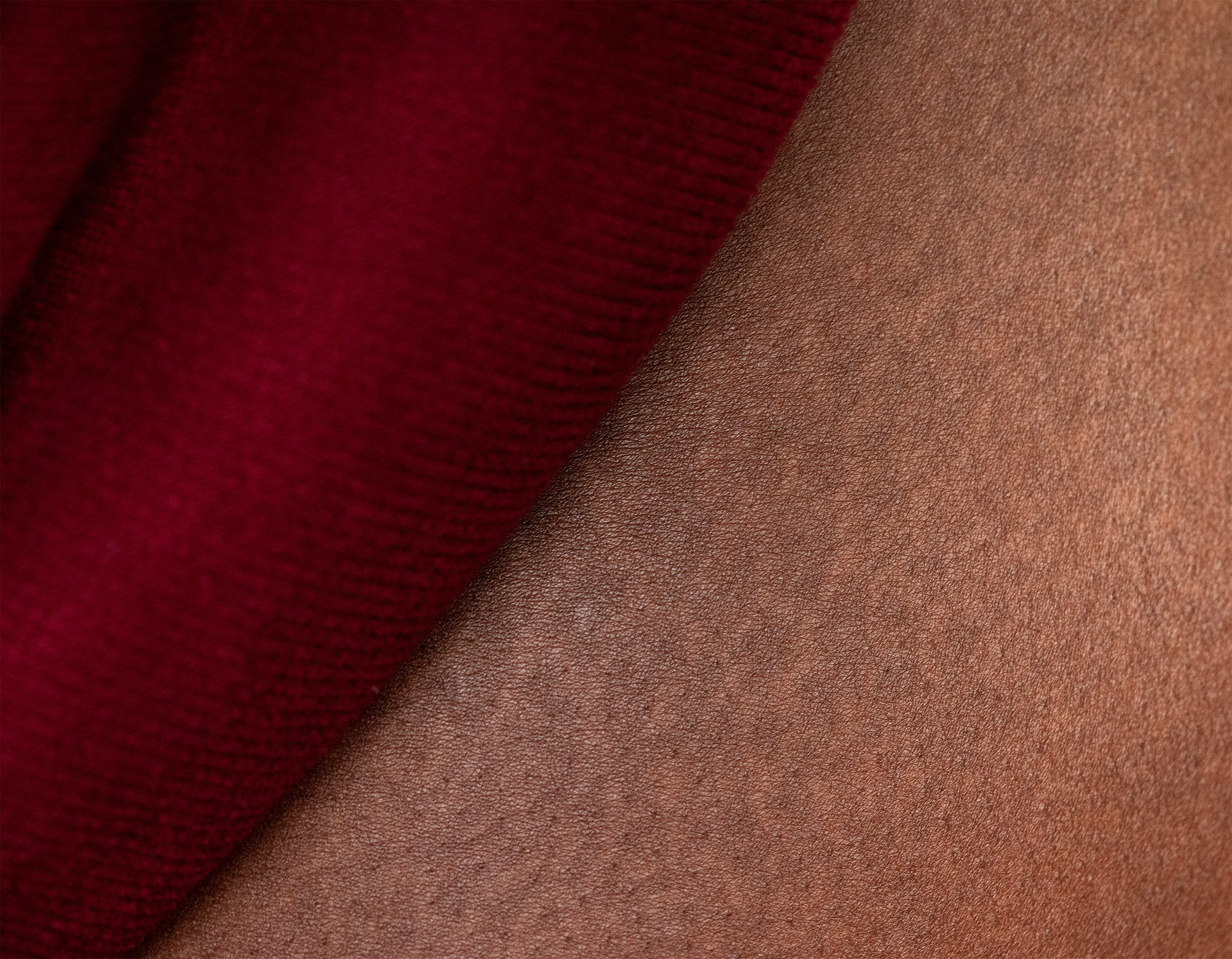
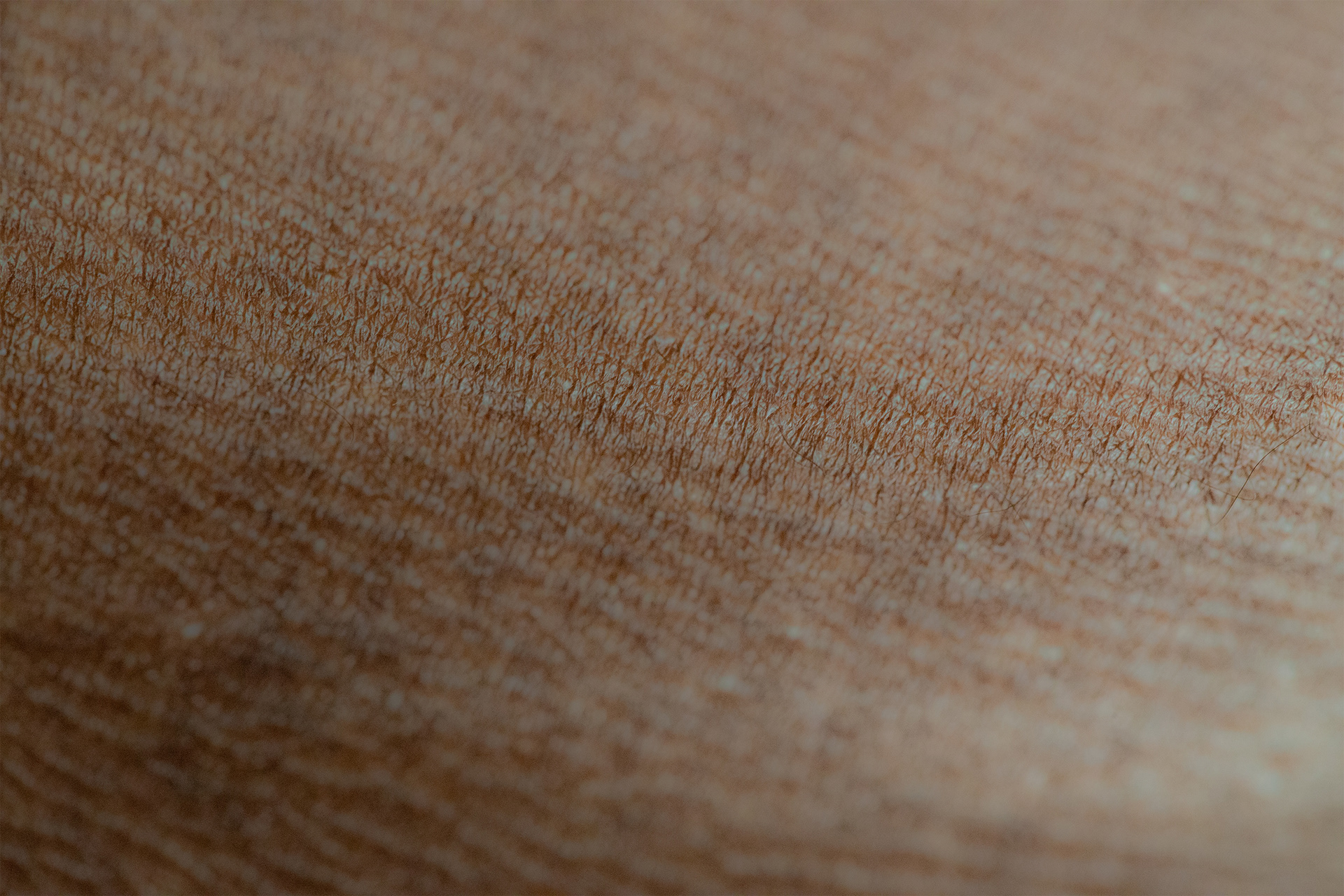
A study of home (Kisumu, Kenya) and how our landscapes make us.
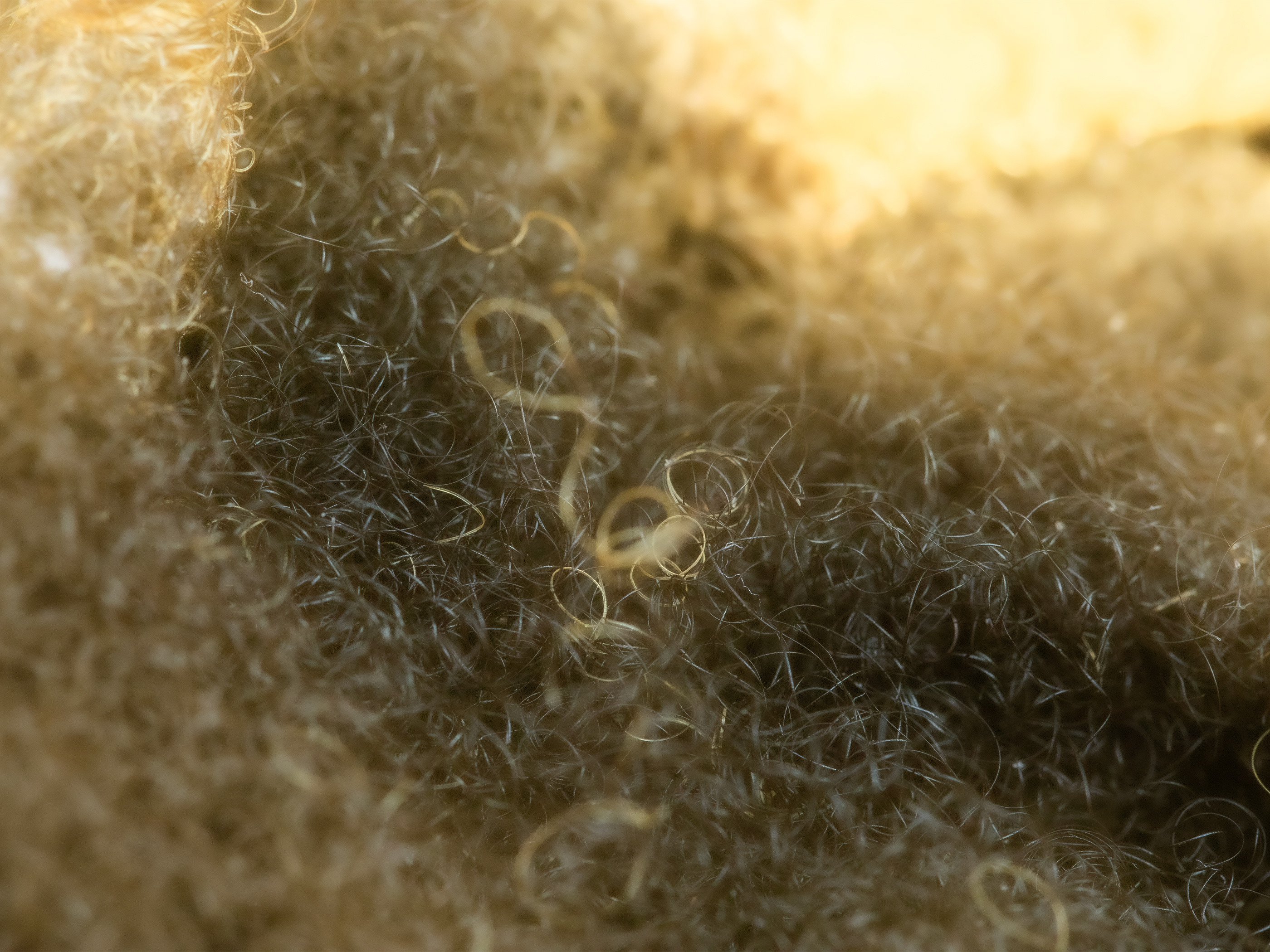
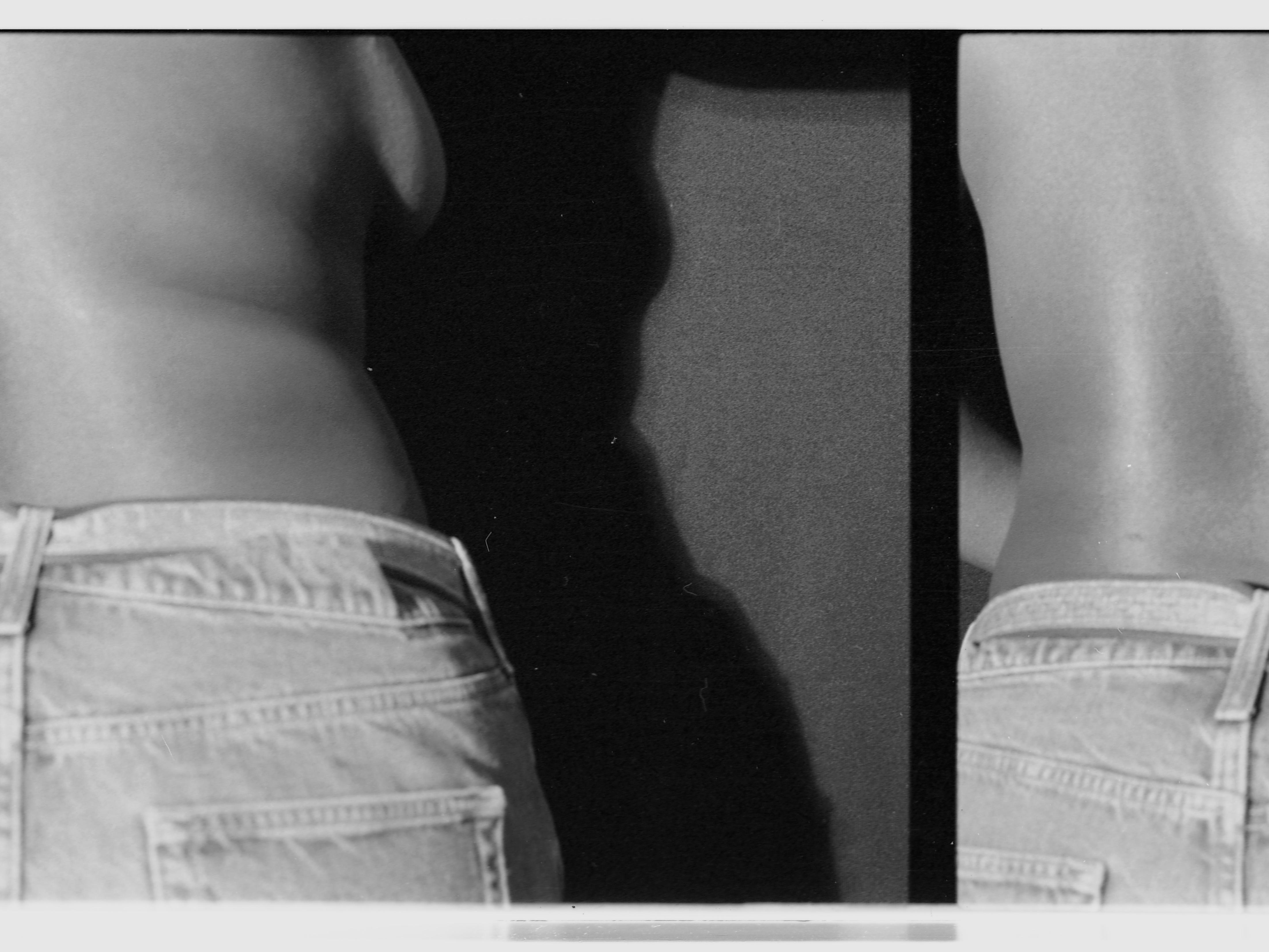
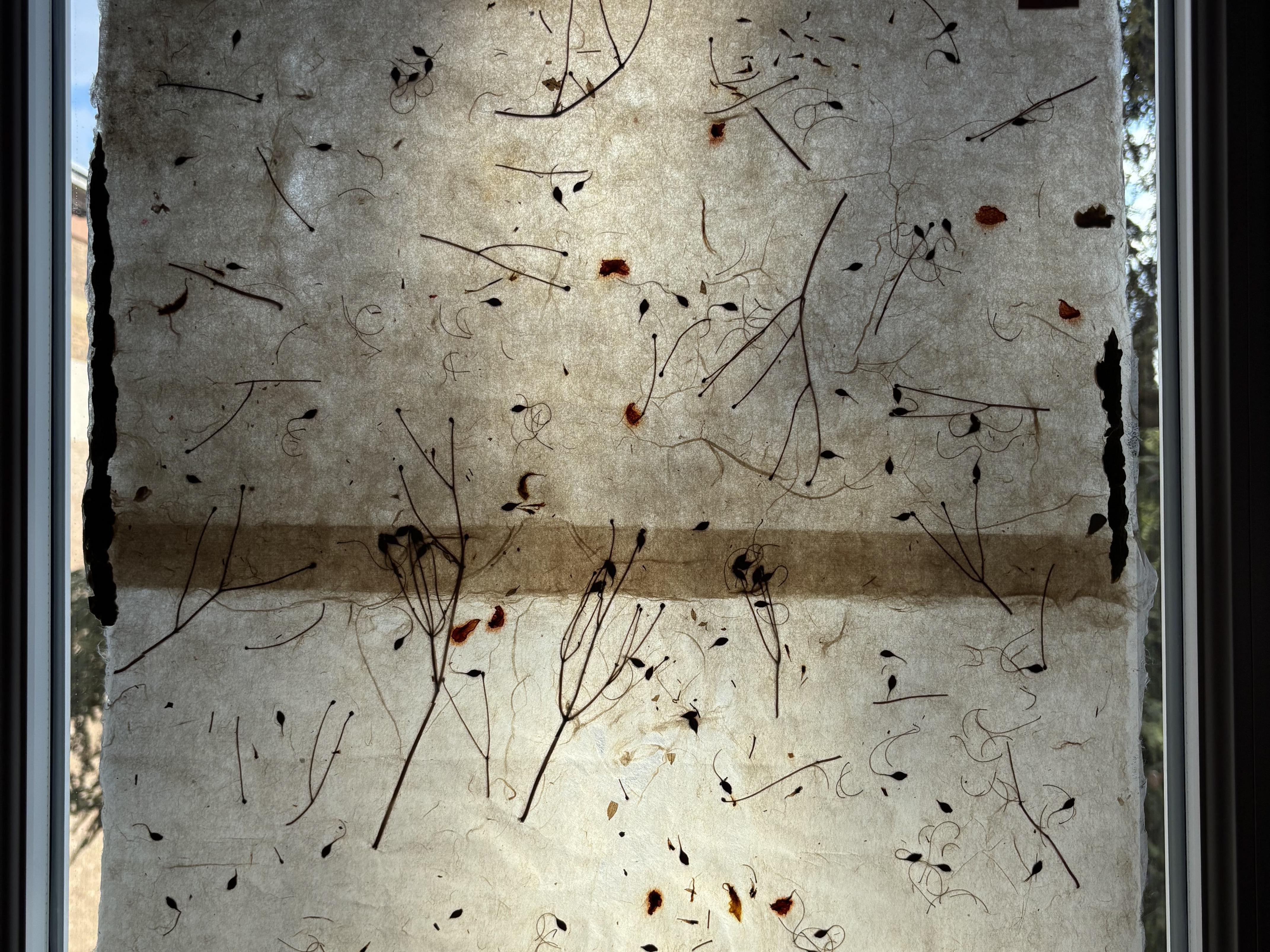
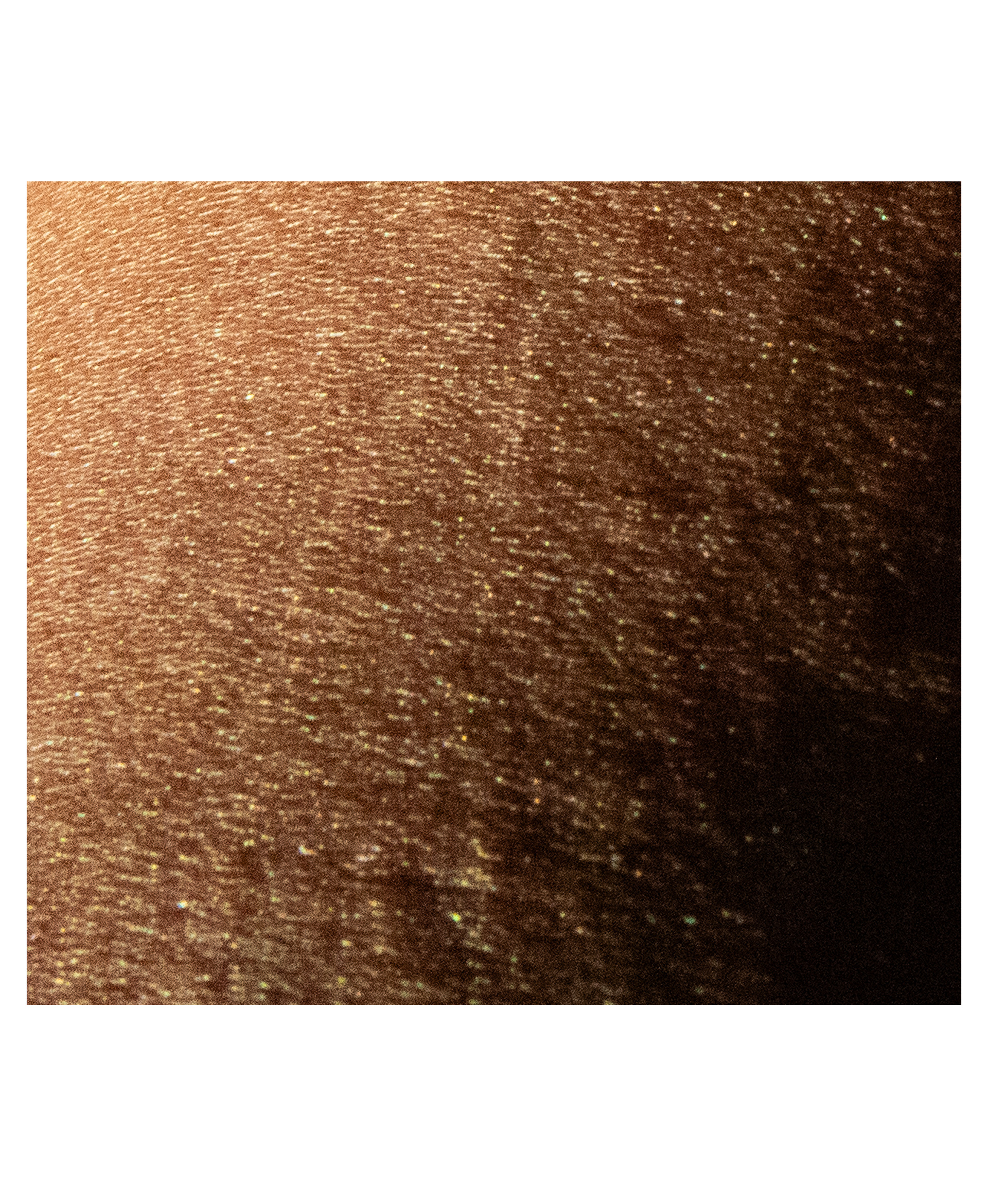
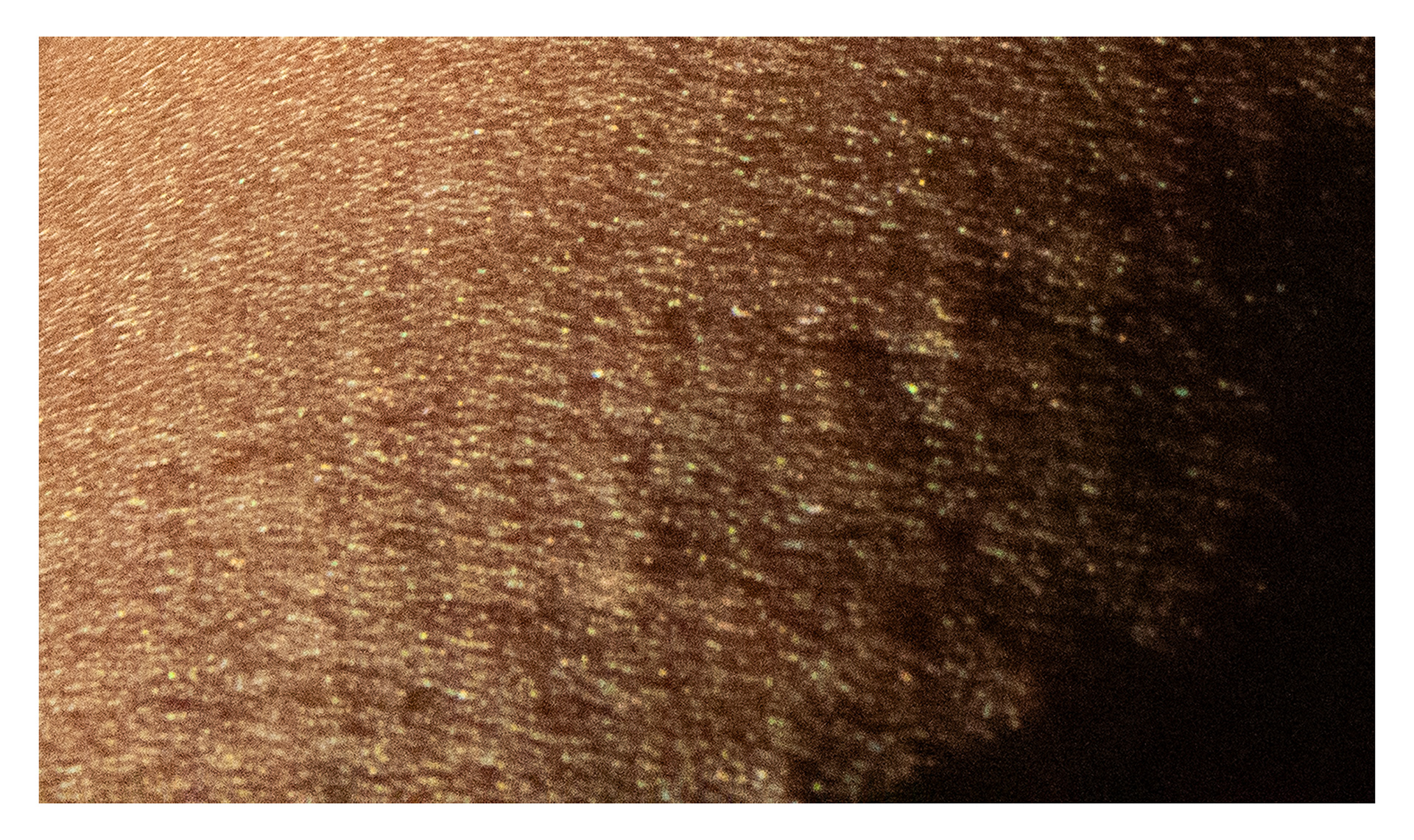
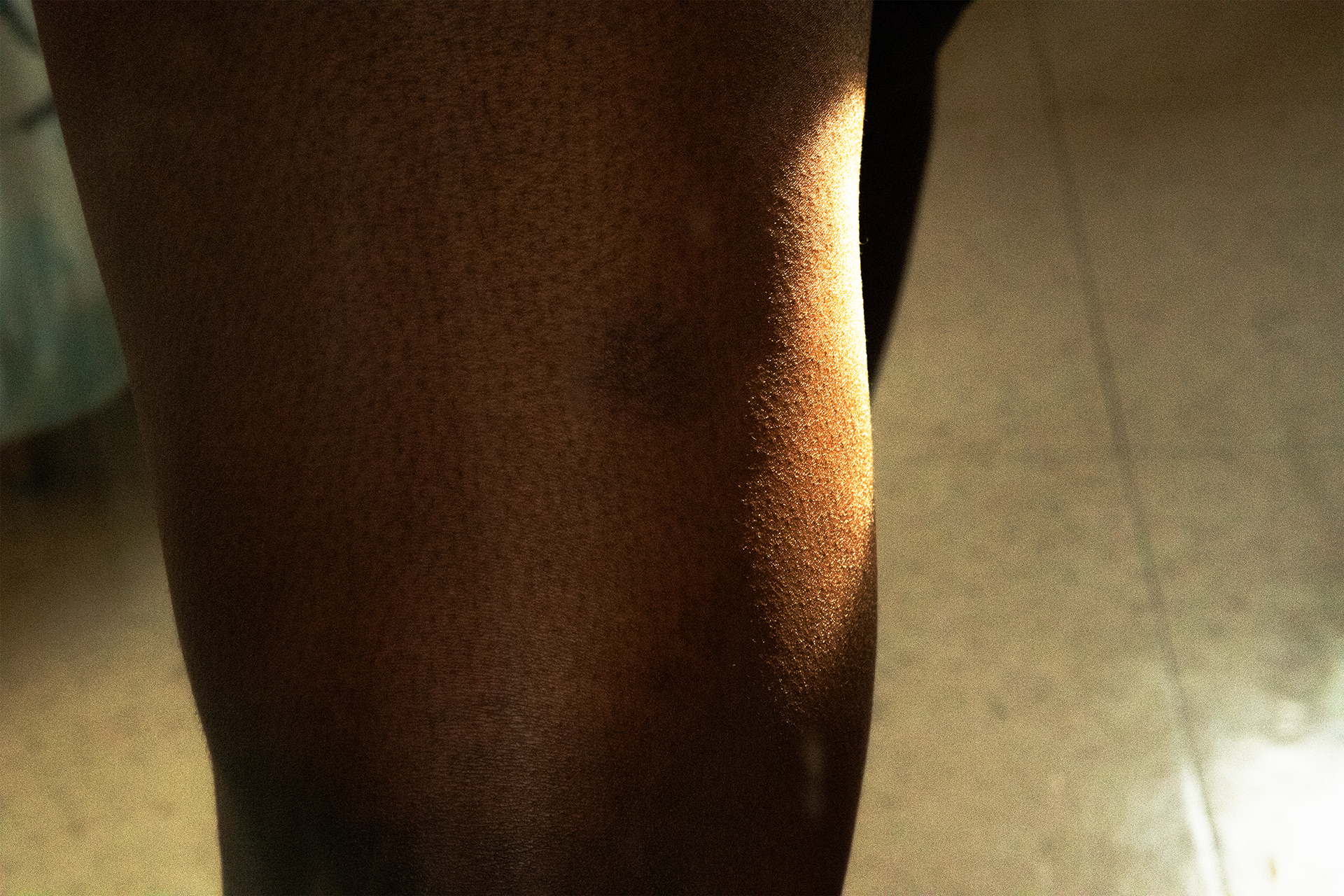
What does it mean to center black skin in a photograph? Self-portrait was my final for my Intro to Digital Photography class. It came about as the result of my missing home and my practicing modes of paying deep attention in my ‘Beyond the Human’: creative and critical ecologies class. It was this combination of paying attention to landscapes and how they shape us, alongside a weekly 100 pictures assignment where I shot images of my skin with a macro lens, that caused me to see the connection between my skin and landscapes. Growing up, I was taught to hate my skin, understand it as negative, as ugly, as tragedy, as something to want to change, because it wasn’t white. This exercise of noticing involved taking 100 pictures of my skin each week for about a month. I found that I was discovering my skin for the first time. I began to see it for all its beauty, to hold it tenderly. The goal behind Self portrait was to show all that had made me: the afternoons at home, the lake landscape, the trees. I also found that decontextualizing/centering my body as a landscape was a way to reject the objectification and hypersurveillance that black bodies are constantly subjected to, and instead ask the audience to genuinely sit with and notice the features of black skin.